
Ledger®® Live: Desktop® — Getting Started | official Ledger™
Ledger Live Desktop to organize crypto accounts, monitor digital holdings, review portfolio details, and follow supported wallet activity.
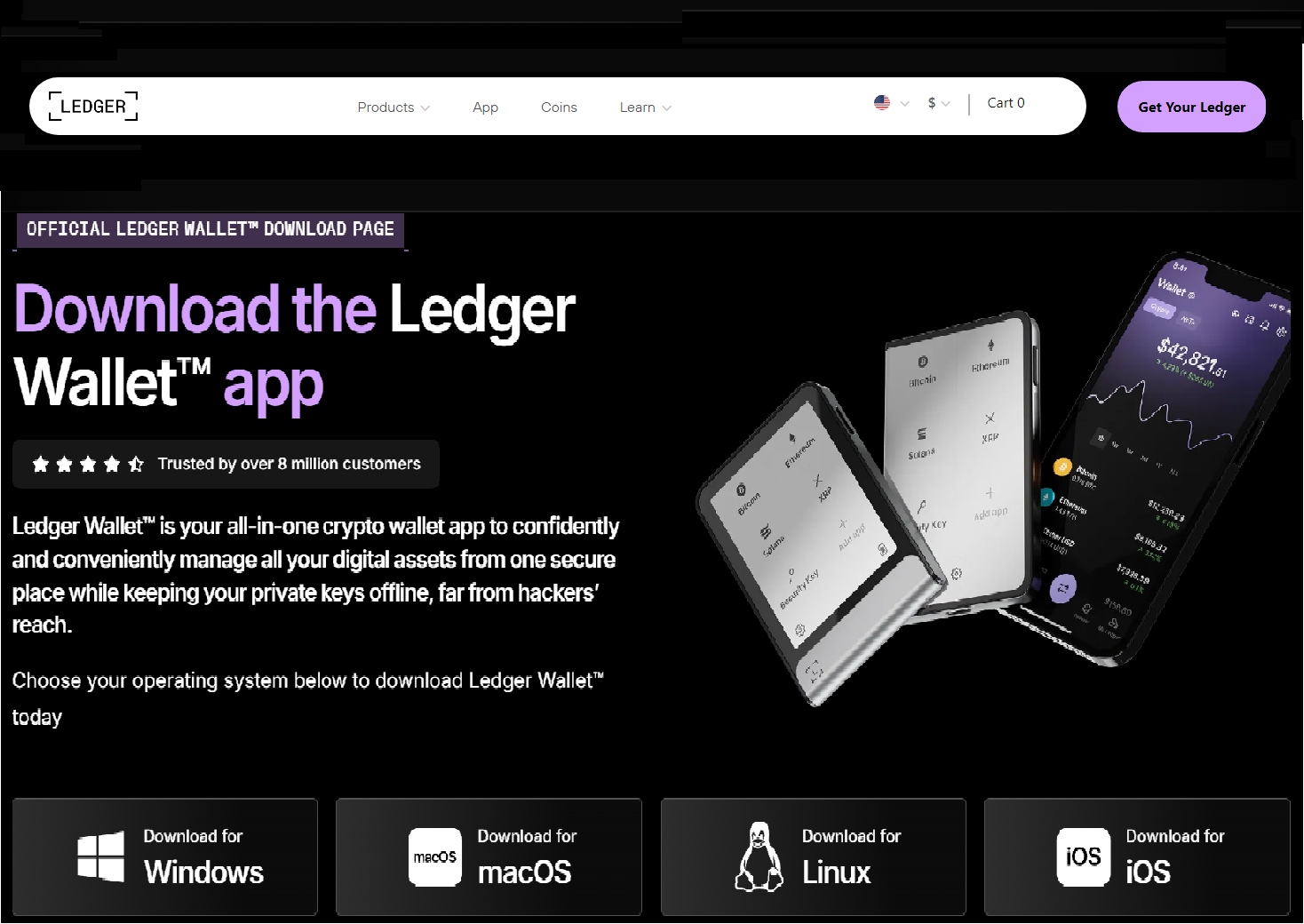
Ledger Live Desktop: How to Create a Reliable Desktop Wallet Routine
A desktop wallet environment can make it easier to review accounts, monitor activity, and manage supported digital assets from one place. For Ledger users, Ledger Live Desktop can become part of a regular workflow when the application and hardware wallet are used together.
For beginners, the goal should not be to memorize every feature. Instead, it is useful to create a simple routine that can be followed whenever the wallet is opened.
Begin With a Verified Environment
Before opening your wallet software, make sure you are using a computer you trust.
Avoid managing important wallet activity from public computers or unfamiliar devices. Keep your operating system maintained and be careful about installing software from unknown sources.
Your desktop environment should be treated as part of your overall wallet-security routine.
Use an Official Software Source
Software source verification is important for any wallet application.
When installing or updating Ledger Live Desktop, obtain the software through official Ledger resources. Avoid third-party download pages and files supplied through unsolicited messages.
If an unexpected notification tells you to install a particular program, verify the request independently before proceeding.
Connect Your Hardware Wallet
When you are ready to use the application, connect your Ledger device according to the official instructions.
The desktop interface can help you view and manage supported accounts, while the physical device is involved when important operations require authorization.
Pay attention to instructions shown on both the computer and the hardware device.
Organize Your Accounts
An organized account structure makes routine wallet management easier.
If you use multiple supported assets, know which accounts you have created and what each account contains.
Before starting a transaction, confirm that the selected account is the one you actually intend to use.
Make Reviewing Balances a Habit
Checking your accounts periodically can help you stay familiar with your wallet.
Look at the relevant account rather than assuming that every displayed balance belongs to the same asset or account.
If something appears different from what you expected, investigate the information before taking further action.
Verify Receiving Addresses
When receiving cryptocurrency, select the correct asset and account first.
Review the receiving address carefully before sharing it. If the hardware wallet provides address verification, use it when appropriate.
For significant transfers, avoid relying solely on a copied address without checking the destination information.
Treat Sending as a Separate Process
Sending cryptocurrency deserves additional attention.
Check the recipient, asset, amount, network details, and applicable transaction fees. Once the transaction is prepared, carefully compare the information shown on the hardware device with your intended transfer.
Do not approve if the details do not match.
Review Transaction History
Your transaction history can help you understand previous wallet activity.
After a transfer, check its status and allow the network time to process it. If a transaction remains pending, review the relevant information instead of immediately submitting another transaction.
Regular history reviews can also make unfamiliar activity easier to identify.
Protect Recovery Information
Your recovery information should remain private regardless of which desktop application you use.
Never provide it to someone who claims to be support, and do not enter it into websites or forms because an online contact tells you to.
If a person requests recovery information to fix or synchronize your wallet, stop and verify the request through an official source.
Handle Support Messages Carefully
Unexpected support messages deserve caution.
A stranger may claim that your account has a problem and offer to fix it through remote access or a special application.
Do not give unknown people control of your computer. Find official support information independently and follow documented guidance.
Keep Updates Controlled
When updates are available, use trusted Ledger resources to determine the appropriate process.
Avoid clicking update links from suspicious emails, advertisements, or private messages.
A controlled update routine helps reduce the risk of installing software from an unverified source.
Create a Pre-Approval Pause
One simple habit can improve your transaction workflow: pause before approving.
Read the transaction details on your computer, then carefully review the information presented on the hardware device.
Only proceed when the details match your intended action.
Conclusion
Ledger Live Desktop can be part of a practical desktop workflow for Ledger hardware wallet users. A reliable routine involves more than opening the application; it includes using trusted software, organizing accounts, verifying addresses, reviewing transactions, and protecting private recovery information.
The simpler and more consistent your process becomes, the easier it is to recognize when something does not look normal.
Updated about 5 hours ago