
Ledger®® Live: Desktop® — Getting Started | official Ledger™
Manage supported crypto through Ledger Live Desktop with tools for reviewing holdings, monitoring balances, organizing accounts, and tracking activity.
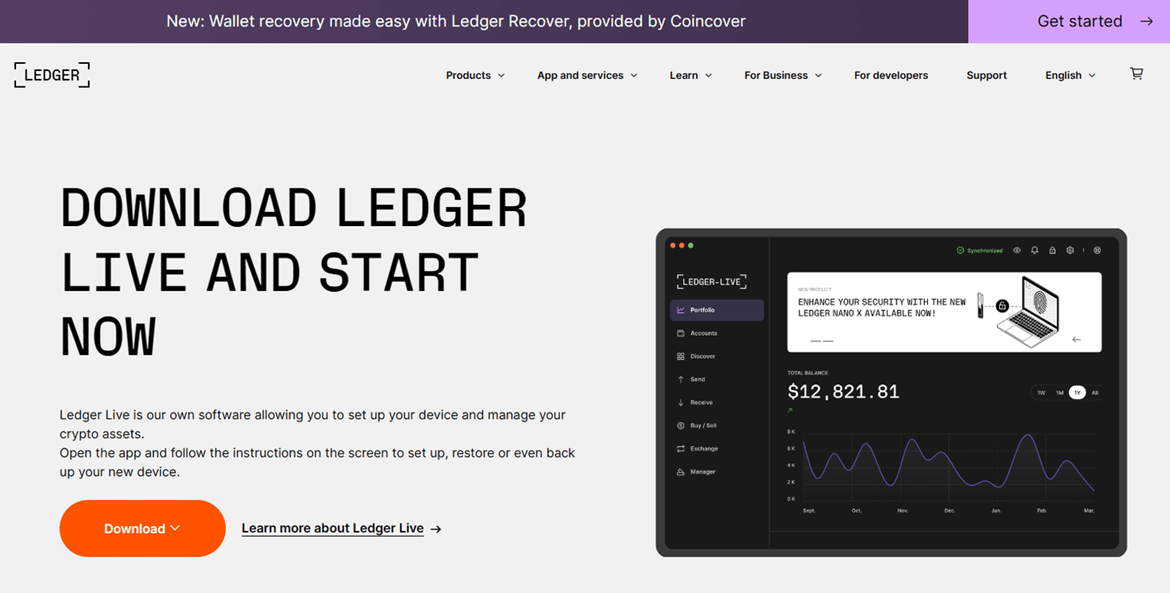
Ledger Live Desktop: A Practical Guide to Your First Complete Wallet Session
Getting comfortable with a desktop wallet is easier when the first session follows a clear sequence. Rather than trying to understand every feature immediately, beginners can focus on learning how the application, hardware wallet, accounts, and transactions work together.
Ledger Live Desktop provides a desktop environment for managing supported Ledger wallet activities. A thoughtful first session can establish useful habits that continue into everyday wallet management.
Prepare Before You Begin
Start by choosing a computer that you trust and regularly control. Make sure the system is reasonably up to date and avoid using unfamiliar computers for sensitive wallet activity.
It is also useful to have your Ledger hardware device available before opening the application. Keeping the required equipment together can make the setup process more organized.
Obtain the Application Carefully
Software should always come from an appropriate official source.
Be cautious with advertisements, social media messages, download websites, and links sent by strangers. A website can look professional while still being unrelated to the legitimate service.
Before installing anything, verify that you are using the official Ledger channel.
Understand the Desktop Interface
After opening Ledger Live Desktop, take some time to become familiar with its layout.
Look for the areas used to manage accounts, review balances, and inspect transaction activity. You do not need to memorize every menu during your first session.
A basic understanding of where information is located can make future sessions much easier.
Connect Your Ledger Device
Your hardware wallet works alongside the desktop application.
Follow the official connection instructions and pay attention to the prompts shown on both the computer and the physical device.
If something unexpected appears, pause rather than repeatedly approving prompts.
Review Your Accounts
Once your device is connected, review the accounts associated with your wallet.
Check the asset names and account details carefully. If you have several accounts, consider using a naming approach that makes them easier to distinguish.
Good organization becomes increasingly useful as your wallet activity grows.
Learn How Receiving Works
Receiving is a useful first transaction workflow to understand.
Select the appropriate account and generate or display the receiving information. Before sharing an address, verify that it corresponds to the intended asset and account.
For meaningful transfers, take time to verify the address using the hardware device when the available workflow supports it.
Understand Sending Before You Need It
You can also familiarize yourself with the sending process without rushing into a major transaction.
Learn where recipient information, amounts, fees, and network details are displayed.
When you eventually send funds, compare the information on your computer with the information presented for confirmation on your Ledger device.
Review the Transaction Before Approval
A transaction should not be approved simply because it was prepared correctly on the computer.
Read the details shown on the physical wallet carefully. Pay particular attention to the destination and amount.
If the information does not match your intention, stop and investigate before approving anything.
Learn From Transaction History
After completing a transaction, review the activity section.
Transaction history can help you understand how wallet operations appear after submission and confirmation. It can also provide a useful record for keeping your own financial notes organized.
Keep Private Information Private
Your recovery information deserves special protection.
It should never be shared with support representatives, friends, online contacts, or websites that request it unexpectedly.
Legitimate troubleshooting should not require you to reveal sensitive recovery information to another person.
Be Careful With Support Requests
If you encounter a problem, avoid accepting unsolicited help through social media or messaging platforms.
Do not install remote-access software because someone claims it is necessary to repair your wallet. Find support information independently through official resources.
Build a Repeatable Workflow
After your first session, create a simple routine.
Use a trusted computer, open the legitimate application, connect your hardware wallet, select the correct account, review transaction details, confirm information on the device, and check the resulting status.
A repeatable process can make wallet management more predictable.
Conclusion
A successful first Ledger Live Desktop session is less about learning every feature and more about understanding the basic workflow. Take time to explore the interface, organize accounts, verify transaction information, and protect private recovery details.
By building careful habits from the beginning, you can create a clearer and more controlled approach to managing supported digital assets from your desktop.
Updated about 5 hours ago